
Send Message
Privacy statement: Your privacy is very important to Us. Our company promises not to disclose your personal information to any external company with out your explicit permission.





Fire resistant materials are specialized substances engineered to withstand extreme heat, prevent ignition, and slow the spread of flames in high-risk environments. Unlike standard materials that may melt or combust under thermal stress, fire retardant textiles and industrial fire protection products maintain structural integrity during exposure to open flames or intense heat sources.
These critical components form the foundation of modern safety protocols across multiple sectors. Whether you are sourcing fire resistant fabrics for protective gear or evaluating industrial fire protection solutions for facility compliance, understanding material properties ensures optimal performance when temperatures rise.
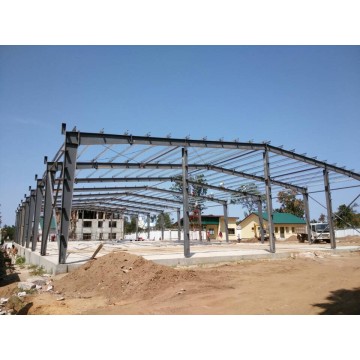
The demand for reliable fire resistant materials continues to expand as industries prioritize worker safety and regulatory compliance. These versatile solutions serve diverse applications ranging from personal protective equipment to large-scale industrial infrastructure protection.
Workers in petroleum extraction and refining facilities require certified fire resistant clothing to protect against flash fires and arc flashes. Flame retardant workwear enables safe operations in hazardous environments where ignition risks are constant.

Linemen and electrical technicians depend on arc-rated fire protection products to shield against electrical arcs and thermal hazards. These specialized garments meet stringent NFPA standards for electrical safety compliance.

High-temperature welding operations generate sparks and molten metal splatter that demand robust fire resistant barriers and apparel. Industrial fire protection curtains and welding blankets provide essential containment in fabrication shops.
Superior fire resistant materials originate from rigorous manufacturing processes that prioritize consistency, durability, and verified performance. Every batch undergoes comprehensive testing to ensure compliance with international safety standards.
Modern fire resistant fabrics utilize inherently flame-retardant fibers such as modacrylic, aramid, and treated cotton blends. These materials char rather than melt when exposed to flame, providing crucial escape time for wearers.
Reputable manufacturers subject their products to ASTM, ISO, and NFPA testing regimes. Vertical burning tests, thermal protective performance evaluations, and limit oxygen index measurements verify fire protection capabilities.
Premium fire retardant textiles maintain their protective properties through hundreds of industrial wash cycles. Inherent flame resistance outlasts chemical treatments that degrade over time, ensuring long-term safety investment.
Selecting the right fire resistant materials requires careful evaluation of application requirements, regulatory standards, and total cost of ownership. Buyers must balance performance specifications with practical considerations to source effective fire protection solutions.
Different industries face distinct thermal risks. Electrical workers need arc-rated protection while refinery employees require flash-fire resistant clothing. Match your fire resistant fabric selection to the specific hazard level present in your workplace.
Demand documented test reports from accredited laboratories. Look for certifications such as NFPA 2112 for flash fire protection, NFPA 70E for arc flash, or EN ISO 11612 for heat and flame resistance. Non-compliant products void insurance coverage.
Fire protection apparel must be wearable for extended periods. Assess breathability, weight, flexibility, and moisture management alongside flame resistance. Workers who find protective gear uncomfortable will compromise safety by removing it.
Cheaper fire resistant materials often require frequent replacement or lose effectiveness after limited washes. Calculate cost per use over the garment lifecycle rather than comparing initial purchase prices alone.
Use this comprehensive procurement checklist when sourcing fire resistant materials to ensure every critical factor receives proper evaluation before finalizing your purchase order.
Frequently asked questions about fire resistant materials help buyers understand product capabilities, maintenance requirements, and industry best practices.
While often used interchangeably, "flame resistant" typically refers to fabrics that self-extinguish when the ignition source is removed, whereas "fire resistant" indicates materials designed to withstand direct flame exposure for extended periods without degrading. Both categories provide critical protection but serve different hazard scenarios.
Inherently fire resistant fabrics maintain their protective properties throughout the garment's entire lifespan, regardless of washing frequency. Chemically treated fire retardant textiles may experience gradual degradation of flame resistance after 50 to 100 wash cycles depending on laundering methods and water temperature.
Yes, most manufacturers offer customization options including logo embroidery, reflective striping, specialized pocket configurations, and tailored sizing. Industrial fire protection solutions can also be engineered with additional features like moisture barriers, insulation layers, or enhanced chemical resistance for specialized applications.
Modern fire resistant textiles have evolved significantly. Many contemporary fabrics incorporate breathable weaves, moisture-wicking finishes, and lightweight constructions that rival conventional workwear comfort. Proper ventilation design and ergonomic patterning further enhance wearer satisfaction during extended shifts.
Key certifications include NFPA 2112 for flash fire protection, NFPA 70E for arc flash protection, EN ISO 11612 for European heat and flame standards, and UL verification marks. Always request current test reports from accredited laboratories rather than relying solely on manufacturer claims.
Implementing structured data markup enhances search engine visibility and helps potential buyers discover your fire resistant materials through targeted queries. The following schema types improve how search engines interpret and display your product information in rich results.
Apply Product schema to individual fire resistant fabric listings with attributes including name, description, image, brand, and category. Include Offer schema elements for pricing availability and seller information to enable rich snippet display in search results.
Structure your frequently asked questions using FAQPage schema markup to qualify for expanded FAQ rich results. This increases click-through rates by displaying answers directly in search engine results pages for relevant queries about fire protection products.
Define your company profile using Organization schema with details including legal name, URL, contact points, and sameAs social profiles. This establishes entity authority and connects your brand across knowledge panels and local search results.
Privacy statement: Your privacy is very important to Us. Our company promises not to disclose your personal information to any external company with out your explicit permission.
Fill in more information so that we can get in touch with you faster
Privacy statement: Your privacy is very important to Us. Our company promises not to disclose your personal information to any external company with out your explicit permission.