
Send Message
Privacy statement: Your privacy is very important to Us. Our company promises not to disclose your personal information to any external company with out your explicit permission.



Building materials in the textile industry refer to the raw substrates and structural components that form the basis of high-end apparel design. For brands specializing in wedding gowns, evening wear, and custom garments, the integrity of these foundational fabrics—such as imported silks, satins, and specialized blends—dictates the final silhouette, drape, and longevity of the piece.
Fanshi leverages a deep understanding of textile building materials to ensure every garment meets international standards. By integrating advanced material science with traditional craftsmanship, we provide buyers with a reliable supply chain for premium fabrics that support complex architectural designs in fashion.
Our high-grade textile building materials are engineered for diverse high-stakes environments. From the red carpet to luxury hospitality, the versatility of our fabrics ensures performance and aesthetics across multiple sectors.

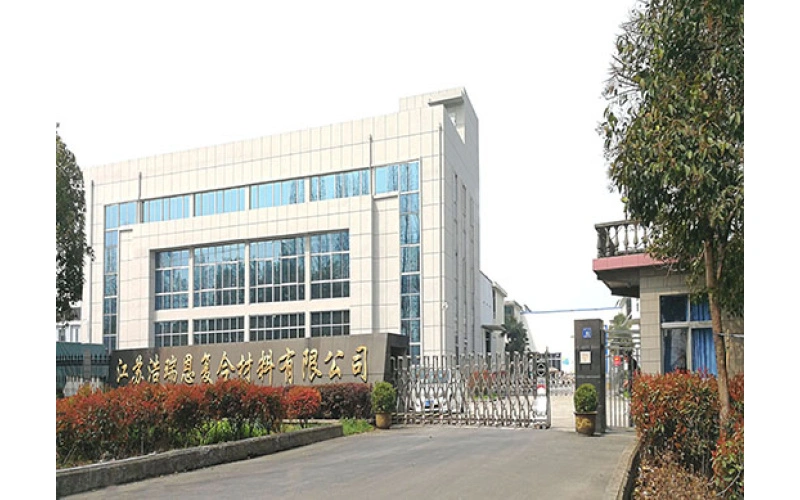
Fanshi adheres to rigorous quality control protocols, ensuring that every meter of fabric and every finished garment meets the highest global standards. Our manufacturing process integrates cutting-edge technology with artisanal precision.
Our production facilities operate under strict ISO 9001质量管理体系认证 guidelines, ensuring consistent quality from raw material intake to final delivery.
We utilize intelligent cutting technology with 0.1cm accuracy, minimizing waste and ensuring perfect pattern matching for complex textile structures.
We prioritize eco-friendly dyes and ethical sourcing practices, ensuring our textile building materials comply with international environmental regulations.
Selecting a partner for high-end textile solutions requires careful evaluation of their technical capabilities, design integration, and supply chain reliability. Follow this guide to identify the best supplier for your brand.
Look for suppliers utilizing 3D pattern drafting and digital prototyping. This technology reduces sampling time and ensures accurate fit representation before bulk production begins.
A robust supplier should offer a wide range of fabrics, including natural fibers like silk and cotton, as well as advanced synthetic blends suitable for various climate conditions and aesthetic needs.
Ensure the manufacturer can handle bespoke requirements, from custom dyeing to intricate embroidery. Flexibility in small-batch customization is crucial for unique market positioning.
Reliable shipping networks and overseas warehousing options are essential for timely delivery. A supplier with a global footprint can significantly reduce lead times for international clients.
Use this comprehensive checklist to evaluate potential textile partners and ensure alignment with your brand's quality and operational standards.
To enhance search engine understanding of your textile product offerings, implement the following structured data patterns. These schemas help search engines categorize your products accurately, improving click-through rates from organic results.
Importing high-end textiles often presents specific logistical and quality hurdles. Fanshi proactively addresses these common issues to ensure a seamless procurement experience.
Solution: We implement strict batch testing protocols. Every roll of fabric undergoes inspection for color consistency, weave density, and tensile strength before leaving our facility, ensuring uniformity across large orders.
Solution: Our integrated smart manufacturing system allows for parallel processing of design and production. By maintaining strategic raw material stockpiles, we significantly reduce turnaround times compared to traditional manufacturers.
Solution: Fanshi provides comprehensive documentation support, including accurate HS code classification (e.g., 6204430000, 6204440000) and compliance certificates, streamlining the customs clearance process for international buyers.
Get answers to the most common queries regarding our textile building materials and manufacturing services.
For standard custom orders, the lead time typically ranges from 7 to 15 days. For more complex bespoke pieces involving intricate detailing or special fabric sourcing, it may extend to 15-30 days. We always provide a confirmed timeline upon order confirmation.
Yes, we strongly encourage sampling. We can provide physical samples for quality verification and fit adjustment. This step is crucial for ensuring the final product meets your exact specifications before committing to full-scale production.
We offer flexible payment structures tailored to international trade standards. Typically, a deposit is required to initiate production, with the balance due upon completion and before shipment. We support secure international transfer methods to protect both parties.
Absolutely. We specialize in ODM and OEM services. You can provide your own labels, tags, and packaging designs, and we will integrate them into the production process seamlessly, allowing you to build a distinct brand identity in your local market.
Privacy statement: Your privacy is very important to Us. Our company promises not to disclose your personal information to any external company with out your explicit permission.
Fill in more information so that we can get in touch with you faster
Privacy statement: Your privacy is very important to Us. Our company promises not to disclose your personal information to any external company with out your explicit permission.