
Send Message
Privacy statement: Your privacy is very important to Us. Our company promises not to disclose your personal information to any external company with out your explicit permission.




Understanding the foundation of high-performance composite materials for industrial applications.
Durable composite materials are advanced engineering solutions created by combining two or more distinct constituent materials with significantly different physical or chemical properties. When combined, they produce a material with characteristics different from the individual components. The resulting composite retains the key attributes of its constituents while offering enhanced structural integrity and longevity.
In modern industrial applications, durability is not just a feature—it's a necessity. Durable composites provide exceptional resistance to environmental factors, mechanical stress, and chemical exposure. These materials are engineered to maintain their structural performance over extended periods, reducing maintenance costs and extending the lifecycle of critical infrastructure and equipment.
Our commitment to excellence in durable composite production processes.
We source only the highest quality raw materials for our durable composite products. Our strict supplier qualification process ensures that every batch meets rigorous specifications for strength, consistency, and reliability.
Our state-of-the-art manufacturing facilities utilize cutting-edge technology and precision engineering. Each durable composite product undergoes multiple quality checkpoints to ensure consistent performance and dimensional accuracy.
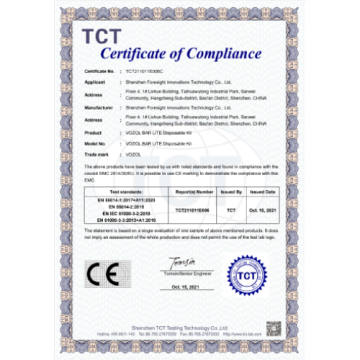
Comprehensive testing protocols verify the mechanical properties, chemical resistance, and environmental durability of our composite materials. Every shipment is backed by detailed certification and traceability documentation.
A comprehensive guide to selecting the right composite materials for your specific application requirements.
Start by defining your specific application needs. Consider factors such as load-bearing requirements, temperature ranges, chemical exposure, and environmental conditions. Different durable composite materials excel in different scenarios, so matching material properties to your application is crucial for optimal performance.
Evaluate the technical specifications of various durable composite options. Key parameters include tensile strength, flexural modulus, impact resistance, and thermal stability. Request detailed material data sheets and test reports to compare different composite formulations systematically.
Assess potential suppliers based on their manufacturing capabilities, quality control systems, and industry experience. Look for manufacturers who specialize in durable composites and can provide technical support throughout your selection and implementation process.
While initial cost is important, consider the total value proposition including material performance, lifespan, maintenance requirements, and overall system efficiency. High-quality durable composites often provide better long-term value despite potentially higher upfront costs.
Essential criteria to evaluate when procuring durable composite materials for your projects.
Structured approach to identifying the right durable composite materials for your specific use case.
Different industries have unique requirements for durable composite materials. Aerospace demands lightweight yet strong composites, while construction focuses on durability and weather resistance. Understanding your industry's specific needs helps narrow down suitable material options.
Categorize your requirements into performance tiers: standard duty, heavy duty, or extreme environment applications. Each category has different material specifications and performance benchmarks that guide your selection process.
Ensure selected durable composites meet relevant industry standards and regulatory requirements. This includes fire ratings, environmental certifications, and industry-specific compliance documentation that may be required for your application.
Addressing frequently encountered issues when sourcing durable composite materials.
Inconsistent material properties across batches can lead to production delays and quality problems. Work with experienced suppliers who maintain strict quality control processes and provide comprehensive material traceability documentation for each batch.
Limited technical support from suppliers can complicate material selection and implementation. Choose partners who offer dedicated engineering support, application guidance, and troubleshooting assistance throughout your procurement and usage process.
Unreliable supply chains can disrupt production schedules and project timelines. Establish relationships with suppliers who demonstrate proven reliability, adequate inventory management, and contingency planning for maintaining consistent material availability.
Balancing cost considerations with quality requirements requires careful evaluation. Focus on total cost of ownership rather than just purchase price, considering factors like material performance, processing efficiency, and long-term durability benefits.
Exploring how durable composite materials serve diverse industrial sectors worldwide.
High-performance durable composites enable lighter, stronger aircraft components while maintaining structural integrity under extreme conditions.

Corrosion-resistant durable composites provide reliable solutions for marine environments, extending vessel lifespans and reducing maintenance requirements.

Lightweight durable composites contribute to fuel efficiency and performance improvements in modern vehicle manufacturing and design.
Answers to common questions about durable composite materials and procurement processes.
Durable composite materials combine multiple components to create superior properties that exceed traditional materials. They offer higher strength-to-weight ratios, better corrosion resistance, and improved durability compared to conventional alternatives, making them ideal for demanding industrial applications.
Selecting the appropriate durable composite involves evaluating your specific application requirements, environmental conditions, performance needs, and budget constraints. Consulting with experienced composite material suppliers who understand your industry can help identify the optimal solution for your project.
Reputable durable composite suppliers should provide comprehensive quality documentation, including material certifications, test reports, and compliance certificates. Look for suppliers who maintain ISO quality management systems and follow industry-specific standards relevant to your application sector.
Yes, many durable composite manufacturers offer customization services to meet specific application requirements. This can include tailored material formulations, specialized processing techniques, and custom sizing to optimize performance for your particular use case.
Privacy statement: Your privacy is very important to Us. Our company promises not to disclose your personal information to any external company with out your explicit permission.
Fill in more information so that we can get in touch with you faster
Privacy statement: Your privacy is very important to Us. Our company promises not to disclose your personal information to any external company with out your explicit permission.