

Send Message
Privacy statement: Your privacy is very important to Us. Our company promises not to disclose your personal information to any external company with out your explicit permission.




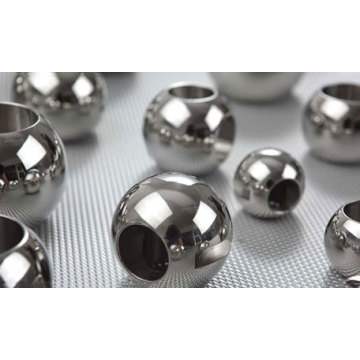
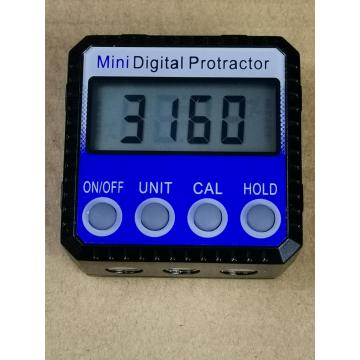
Vehicle engineering represents the comprehensive discipline dedicated to the design, development, and optimization of automotive systems. It encompasses a wide array of technical fields, ranging from mechanical dynamics and materials science to advanced electronics and aerodynamics.
At its core, this field focuses on creating vehicles that are not only mechanically sound but also safe, efficient, and environmentally responsible. The scope includes everything from traditional internal combustion engines to cutting-edge electric powertrains and autonomous driving technologies.
Understanding vehicle engineering is essential for anyone involved in the automotive supply chain, as it dictates how components interact within a larger system. By mastering these principles, manufacturers can deliver superior products that meet rigorous global standards.
Modern vehicle manufacturing relies on automated precision tools to ensure every component meets exact specifications. This reduces variability and enhances the overall reliability of the final assembly.
Implementing ISO-compliant quality control processes allows manufacturers to identify defects early. Rigorous testing protocols ensure that parts withstand stress and environmental challenges.
Vehicle engineering now emphasizes eco-friendly production methods. From recycling materials to minimizing waste, sustainable manufacturing helps reduce the industry's carbon footprint.
The applications of vehicle engineering extend far beyond personal transportation. In commercial sectors, specialized heavy-duty vehicles require robust engineering solutions to handle extreme loads and long-distance logistics.
Fleet management and cargo transport rely on engineered durability. These vehicles must balance fuel efficiency with payload capacity, utilizing advanced suspension and braking systems.
Urban mobility depends on high-capacity buses and trains. Engineers focus on passenger safety, accessibility, and energy consumption to create efficient public transport networks.

Selecting the right parts and systems for vehicle engineering projects requires a strategic approach. Buyers must evaluate suppliers based on technical capability, certification, and after-sales support.
Ensure that the components meet your specific performance requirements. Check compatibility with existing systems, material properties, and tolerance levels. Always request detailed datasheets before procurement.
A reliable partner should hold relevant industry certifications. Look for ISO standards and other quality marks that demonstrate adherence to international manufacturing norms.
Innovation drives the automotive industry. Choose partners who invest in research and development, offering custom solutions rather than just off-the-shelf products.
Consistent delivery is critical. Evaluate the supplier's ability to scale production and manage raw material shortages to prevent project delays.
Use this checklist to streamline your procurement process for vehicle engineering supplies. It ensures all critical factors are considered before making a commitment.
Global events often lead to delays in raw material availability. Buyers face uncertainty regarding lead times, which can stall production lines. Mitigation involves diversifying suppliers and maintaining safety stock.
Inconsistent part quality can lead to assembly failures. Without strict incoming inspection, defective components may reach the final product. Regular audits and feedback loops are essential.
Automotive regulations evolve rapidly, particularly regarding emissions and safety. Procurement teams must stay updated to avoid purchasing non-compliant inventory.
Fluctuations in metal and plastic prices can impact budgets. Long-term contracts and hedging strategies can help stabilize costs over time.
Look for ISO 9001 for quality management and IATF 16949 specifically for the automotive industry. These certifications indicate that the supplier follows rigorous standards for consistency and safety.
Request Material Test Reports (MTRs) or Certificates of Analysis (CoA) from the manufacturer. These documents provide data on chemical composition and mechanical properties, ensuring the material matches specifications.
Many advanced manufacturers offer OEM and ODM services. They can modify existing designs or create new tooling to meet specific performance requirements, provided you share detailed technical drawings.
Lead times vary based on complexity and volume. Standard off-the-shelf items may ship in weeks, while custom-engineered parts can take several months. Discuss timelines explicitly during the quoting phase.
When evaluating vehicle engineering solutions, buyers should structure their decision-making around key performance indicators. This "Schema" of criteria ensures a standardized comparison across different vendors.
Assess fatigue life, corrosion resistance, and thermal stability. Parts must endure operational stresses without failure over the vehicle's intended lifespan.
Focus on weight-to-strength ratios and aerodynamic properties. Lighter, stronger components improve fuel economy and overall vehicle performance.
Verify that components meet crashworthiness standards and functional safety requirements (such as ISO 26262 for electrical systems).
Privacy statement: Your privacy is very important to Us. Our company promises not to disclose your personal information to any external company with out your explicit permission.
Fill in more information so that we can get in touch with you faster
Privacy statement: Your privacy is very important to Us. Our company promises not to disclose your personal information to any external company with out your explicit permission.