Conceptualization
The initial phase involves brainstorming, sketching, and defining the core requirements of a product or system within the design engineering framework.

Design engineering is the systematic process of transforming creative concepts into functional, manufacturable products. It serves as the vital bridge between aesthetic vision and technical reality.
The initial phase involves brainstorming, sketching, and defining the core requirements of a product or system within the design engineering framework.
Creating detailed blueprints, CAD models, and specifications that guide the manufacturing and production processes for design engineering projects.
Continuously testing, prototyping, and refining designs to ensure they meet performance standards and user needs effectively.
High-quality design engineering requires strict adherence to manufacturing protocols and quality assurance measures throughout the product lifecycle.
Implementing rigorous testing procedures and quality control checkpoints to ensure every component meets industry standards.
Utilizing advanced machinery and skilled craftsmanship to produce components with high accuracy and consistency in design engineering.
Ensuring all manufactured products comply with international safety regulations and environmental standards through certified testing.
Selecting the right partner for your design engineering needs is crucial for project success. Consider these key factors when evaluating potential collaborators.
Evaluate their portfolio and experience in your specific industry. Look for proven track records in similar design engineering challenges.
Assess their ability to handle your volume requirements while maintaining quality standards and meeting delivery deadlines.
Choose partners who demonstrate continuous innovation and stay updated with the latest design engineering technologies and trends.
Effective communication is essential. Ensure they have clear channels for feedback, updates, and problem-solving throughout the project.
Use this comprehensive checklist to evaluate design engineering proposals and make informed procurement decisions.
Verify relevant case studies and successful project implementations in design engineering.
Check for ISO certifications and other quality management system credentials.
Ensure adequate post-production support and maintenance services are available.
Compare pricing structures and total cost of ownership across different providers.
Confirm that production schedules align with your project milestones and deadlines.
Assess their ability to scale production up or down based on market demand changes.
To enhance digital visibility and search engine understanding, consider implementing structured data that highlights your design engineering capabilities and service offerings.
Implement Product schema markup to highlight specific design engineering services, specifications, and availability status clearly.
Use Service schema to detail your design engineering consulting, prototyping, and manufacturing capabilities for buyers.
Showcase customer testimonials and project success stories using Review schema to build trust and credibility.
Design engineering solutions are applied across various industries, driving innovation and efficiency in complex manufacturing environments.

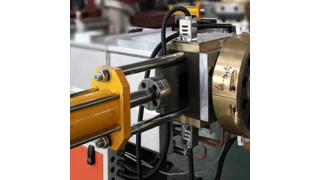

Applying design engineering principles to develop lightweight, fuel-efficient vehicle components and systems.
Creating precision-engineered parts and assemblies that meet stringent safety and performance requirements.
Designing compact, durable, and user-friendly electronic devices through innovative engineering approaches.
Understanding common challenges in design engineering procurement helps buyers avoid pitfalls and make better decisions.
Many buyers struggle with defining precise technical requirements, leading to miscommunication and costly revisions during the design engineering process.
Global supply chain issues can delay material sourcing and production timelines, impacting overall project delivery schedules significantly.
Maintaining consistent quality across different manufacturing batches remains a challenge without proper quality assurance protocols in place.
Unexpected expenses often arise from design changes, material price fluctuations, or inefficient production processes during development.
Protecting proprietary designs and innovations while collaborating with external manufacturers requires careful legal frameworks and agreements.

Privacy statement: Your privacy is very important to Us. Our company promises not to disclose your personal information to any external company with out your explicit permission.
Fill in more information so that we can get in touch with you faster
Privacy statement: Your privacy is very important to Us. Our company promises not to disclose your personal information to any external company with out your explicit permission.