
Send Message
Privacy statement: Your privacy is very important to Us. Our company promises not to disclose your personal information to any external company with out your explicit permission.

Non-stick coating is a specialized surface treatment applied to cookware and kitchen tools to create a frictionless barrier between food and the pan. This advanced material technology prevents adhesion, allowing for effortless food release during cooking and simplifying cleanup processes.
The primary function of non-stick surfaces is to minimize the need for excessive cooking oils and fats while ensuring consistent heat distribution across the cooking surface. Modern non-stick solutions offer superior performance compared to traditional materials, making them an essential component of professional and home kitchens worldwide.
Understanding what constitutes quality non-stick coating helps buyers make informed procurement decisions. The right non-stick solution delivers reliable performance, durability, and safety compliance across diverse cooking applications.
Manufacturing excellence in non-stick products requires strict adherence to quality control protocols at every production stage. From raw material sourcing to final inspection, maintaining consistent standards ensures product reliability and buyer confidence.
Premium-grade base materials undergo rigorous testing before entering the production pipeline. Supplier qualification processes verify material purity, chemical composition, and compliance with international safety regulations.
Advanced manufacturing techniques ensure uniform coating application with precise thickness control. Automated systems monitor temperature, pressure, and curing conditions to maintain batch-to-batch consistency.
Comprehensive testing procedures include adhesion strength analysis, thermal resistance evaluation, and scratch resistance assessment. Each production batch receives thorough quality verification before shipment.
Products meet relevant industry certifications and regulatory requirements for food contact safety. Documentation supports import/export operations and provides buyers with necessary compliance evidence.
Non-stick technology serves diverse industries beyond traditional cookware manufacturing. Understanding application contexts helps buyers identify suitable products for their specific market needs.
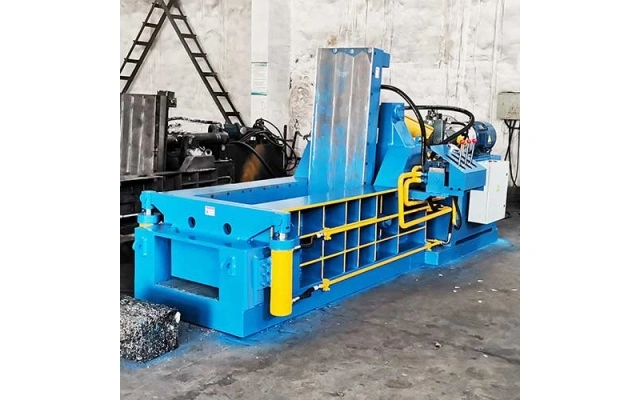


Home kitchen pans, baking sheets, and griddles benefit from non-stick surfaces that simplify everyday cooking tasks and reduce cleaning time for consumers worldwide.
Restaurant and catering operations utilize commercial-grade non-stick equipment for high-volume food preparation, ensuring efficiency and consistent results during peak service hours.
Food processing facilities employ non-stick coatings on conveyor belts, molds, and machinery components to prevent product adhesion and maintain hygiene standards.
Beyond kitchen applications, non-stick surfaces find use in packaging machinery, textile printing, and various industrial processes requiring low-friction material properties.
Selecting the right non-stick products requires careful consideration of multiple factors including coating type, substrate material, intended usage, and regulatory requirements. Buyers should evaluate options systematically to match their specific needs.
Different non-stick technologies offer varying performance characteristics. Evaluate coating durability, heat tolerance levels, and food safety certifications before making procurement decisions. Popular options include ceramic-based and polymer-based formulations.
The base material significantly impacts overall product performance. Aluminum provides lightweight efficiency, stainless steel offers durability, and cast iron delivers heat retention. Match substrate selection to your application requirements.
Consider whether products serve consumer markets or commercial environments. Commercial applications demand higher durability ratings and enhanced heat resistance compared to standard household products.
Verify that products comply with target market regulations including FDA, LFGB, or REACH standards. Proper documentation ensures smooth customs clearance and market access.
Use this comprehensive checklist to evaluate non-stick product suppliers and ensure all critical procurement criteria are addressed before finalizing purchase decisions.
Frequently asked questions about non-stick products help clarify common concerns and provide guidance for potential buyers navigating procurement decisions.
With proper care and regular use, quality non-stick products typically maintain optimal performance for several years. Lifespan depends on usage frequency, cleaning methods, and heat exposure levels. Commercial applications generally require more frequent replacement than household products due to intensive daily use.
Modern non-stick coatings used in reputable products comply with international food safety standards. Reputable manufacturers ensure their formulations meet regulatory requirements for direct food contact. Always verify certification documentation when sourcing products for commercial or export purposes.
While some premium non-stick surfaces resist minor metal contact, using wooden, silicone, or plastic utensils significantly extends product lifespan. Metal utensils can cause micro-scratches that gradually degrade non-stick performance over time. Best practices recommend matching utensil material to coating sensitivity.
Most standard non-stick coatings perform optimally within recommended temperature ranges specified by manufacturers. Exceeding maximum temperature thresholds may compromise coating integrity. Commercial-grade products often feature higher heat tolerance ratings suitable for professional kitchen equipment requirements.
Non-stick surfaces offer advantages in reduced oil usage, easier cleaning, and improved food release compared to traditional materials. However, traditional cookware may provide superior heat retention and durability for specific cooking techniques. The choice depends on intended application and user preferences.
Understanding common challenges in non-stick product procurement helps buyers avoid pitfalls and make more informed purchasing decisions. Awareness of these issues enables proactive problem-solving throughout the sourcing process.
Variations in coating thickness, adhesion strength, or surface finish between production batches can create quality inconsistencies. Establish clear quality benchmarks and request sample verification before committing to large orders.
Supply chain disruptions, material shortages, or production scheduling conflicts may extend lead times beyond initial estimates. Maintain open communication with suppliers and build buffer periods into procurement planning.
Incomplete or ambiguous safety certifications can complicate customs clearance and market entry. Request comprehensive documentation upfront and verify authenticity through independent testing laboratories when necessary.
Improper packaging may result in surface scratches or coating damage during transit. Specify packaging requirements clearly and consider third-party inspection services for quality assurance before shipment departure.
Privacy statement: Your privacy is very important to Us. Our company promises not to disclose your personal information to any external company with out your explicit permission.
Fill in more information so that we can get in touch with you faster
Privacy statement: Your privacy is very important to Us. Our company promises not to disclose your personal information to any external company with out your explicit permission.