Advanced Manufacturing
Our motion control components are manufactured using state-of-the-art CNC machining and automated assembly lines, ensuring micron-level precision and consistent performance across all batches.

Motion control refers to the precise management of machine axes to achieve specific positioning and speed requirements. In industrial automation, motion control systems are critical for ensuring accuracy, repeatability, and efficiency across various manufacturing processes.
From simple linear actuators to complex multi-axis robotic arms, these systems form the backbone of modern production lines, enabling industries such as automotive, aerospace, and electronics to maintain high standards of quality and output.
Explore Our Solutions
Our motion control components are manufactured using state-of-the-art CNC machining and automated assembly lines, ensuring micron-level precision and consistent performance across all batches.
Every motion control unit undergoes comprehensive testing including load cycles, thermal stability checks, and vibration analysis to meet international quality standards before shipment.
We source premium-grade materials for gears, motors, and controllers, ensuring durability and resistance to wear in demanding industrial environments.
Choosing the appropriate motion control solution requires careful consideration of your application's specific requirements. Here are the key factors to evaluate:
Determine the maximum weight your system needs to move and the required velocity. High-speed applications may require servo motors, while heavy loads might benefit from stepper systems or hydraulic actuators.
Assess the positional accuracy needed for your process. Applications like semiconductor manufacturing demand sub-micron precision, whereas packaging lines may tolerate greater tolerances.
Consider temperature, humidity, dust, and exposure to chemicals. IP-rated enclosures and specialized coatings can protect motion control components in harsh environments.
Evaluate compatibility with existing PLCs, HMIs, and software ecosystems. Open-protocol controllers offer greater flexibility for custom automation setups.
Verify that voltage, current, torque, and speed ratings align with your machinery requirements.
Consider not just initial purchase price but also maintenance, energy consumption, and lifespan.
Ensure the manufacturer offers adequate technical support, spare parts availability, and warranty terms.
Check for CE, UL, ISO, or other relevant certifications required in your region or industry.
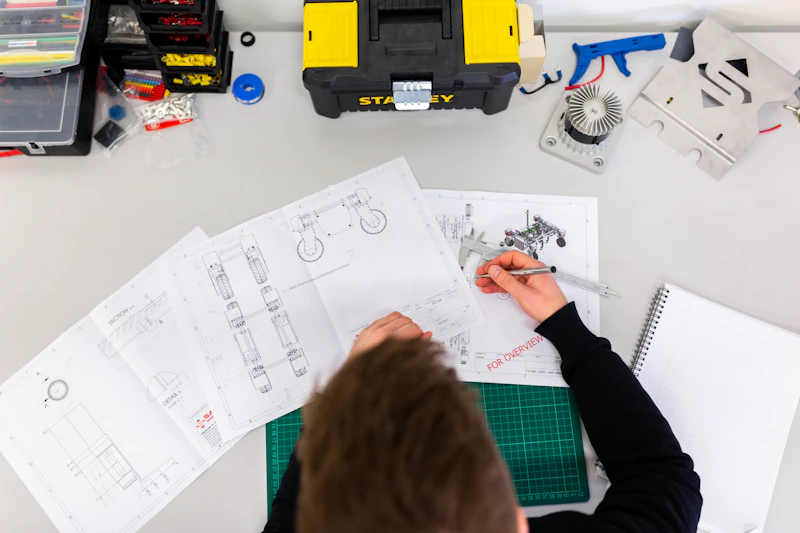
Motion control technology is ubiquitous across modern industries, enabling automation and precision in diverse applications.

Caused by mechanical backlash, worn bearings, or improper tuning. Regular maintenance and closed-loop feedback systems can resolve this issue.
Often results from resonance frequencies or misaligned components. Implementing dampening solutions and optimizing acceleration profiles helps mitigate these effects.
Digital motion systems rely on stable network connections. Shielded cables and proper grounding prevent electromagnetic interference from disrupting signals.
Excessive heat reduces motor lifespan and efficiency. Ensure adequate ventilation, match motor size to load, and avoid continuous operation beyond rated capacity.
Use this table to compare key specifications when selecting motion control products for your specific application needs.
| Specification | Standard Series | Precision Series | Heavy Duty Series |
|---|---|---|---|
| Typical Application | General Automation | Precision Assembly | Heavy Machinery |
| Positioning Accuracy | ±0.1mm | ±0.01mm | ±0.5mm |
| Max Load Capacity | 50kg | 10kg | 500kg+ |
| Control Interface | Pulse/Direction | EtherCAT | Analog/Fieldbus |
| Warranty Period | 2 Years | 3 Years | 2 Years |

Privacy statement: Your privacy is very important to Us. Our company promises not to disclose your personal information to any external company with out your explicit permission.
Fill in more information so that we can get in touch with you faster
Privacy statement: Your privacy is very important to Us. Our company promises not to disclose your personal information to any external company with out your explicit permission.