
Send Message
Privacy statement: Your privacy is very important to Us. Our company promises not to disclose your personal information to any external company with out your explicit permission.

Metallurgy is the scientific and industrial study of metals and their properties. It involves extracting metals from ores, refining them, and developing alloys to meet specific engineering requirements.
The process of extracting metal elements from ores through various physical and chemical processes.
The study of the internal structure and properties of metals, focusing on how processing affects strength, ductility, and hardness.
Creating new metallic materials by combining two or more elements to achieve superior performance characteristics.
Metallurgy serves as the backbone for numerous critical industries, providing essential materials for infrastructure, technology, and manufacturing.
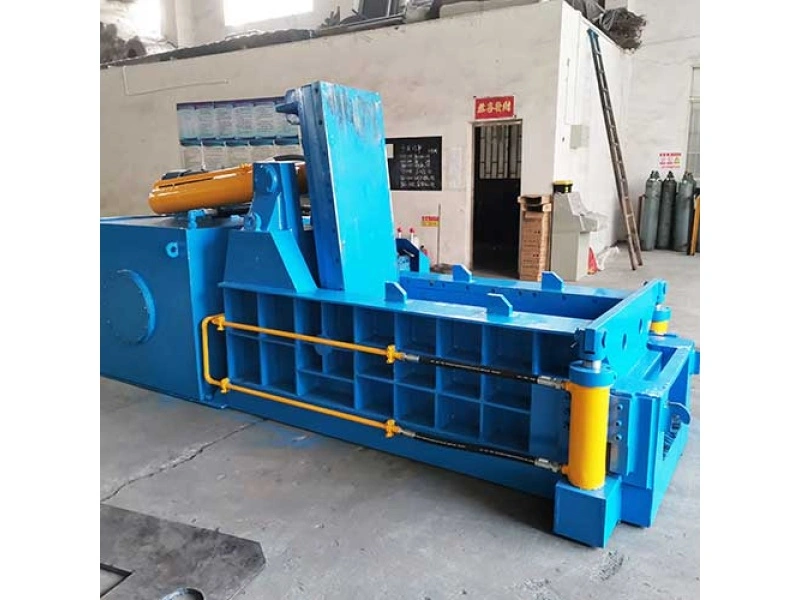

Our metallurgical manufacturing processes adhere to strict quality standards, ensuring consistent performance and reliability for all industrial applications.
We source high-purity raw materials from verified suppliers to ensure the foundation of our metallurgical products meets international standards.
Advanced metallurgical techniques are employed to control grain structure and mechanical properties during production.
Rigorous testing protocols verify material integrity, composition, and performance before delivery to clients.
Selecting the right metallurgical solutions requires careful consideration of technical specifications, application requirements, and supplier capabilities.
Evaluate tensile strength, corrosion resistance, thermal conductivity, and other critical parameters relevant to your specific industry needs.
Ensure the metallurgical product is suitable for your intended environment, including temperature ranges, chemical exposure, and mechanical stress factors.
Partner with established metallurgy providers who demonstrate consistent quality, technical expertise, and responsive support throughout the procurement process.
Use this comprehensive checklist when evaluating metallurgy suppliers and products to ensure informed decision-making.
Verify that all metallurgical products come with proper documentation and certification of compliance with industry standards.
Request test reports demonstrating mechanical properties, chemical composition, and durability under simulated operating conditions.
Assess the supplier's ability to maintain consistent production capacity and reliable delivery schedules for ongoing projects.
Ensure access to expert metallurgical consultation for material selection, troubleshooting, and optimization recommendations.
Frequently asked questions about metallurgy, material selection, and industrial applications.
This section outlines the structured data schema recommended for metallurgy-related web content to improve search engine visibility and user understanding.
Implement Product schema markup to provide search engines with detailed information about metallurgical materials, including specifications, materials, and availability.
Use Organization schema to establish credibility and provide essential business information, including company name, location, and operational details.
Apply FAQPage schema to enhance search result appearance with collapsible question-and-answer sections, improving click-through rates and user engagement.
Privacy statement: Your privacy is very important to Us. Our company promises not to disclose your personal information to any external company with out your explicit permission.
Fill in more information so that we can get in touch with you faster
Privacy statement: Your privacy is very important to Us. Our company promises not to disclose your personal information to any external company with out your explicit permission.