The Science of Materials
Metallurgy is the study of metals and their properties. It involves understanding how to extract metals from ores, refine them, and create alloys with specific characteristics for industrial applications.

Metallurgy is the study of metals and their properties. It involves understanding how to extract metals from ores, refine them, and create alloys with specific characteristics for industrial applications.
As a foundational industry, metallurgy supports infrastructure, manufacturing, and technology. High-quality metal processing ensures durability and performance in everything from construction to aerospace.
Modern metallurgical processes focus on recycling and reducing waste. Advanced techniques allow for the recovery of valuable metals, supporting global sustainability goals in heavy industry.
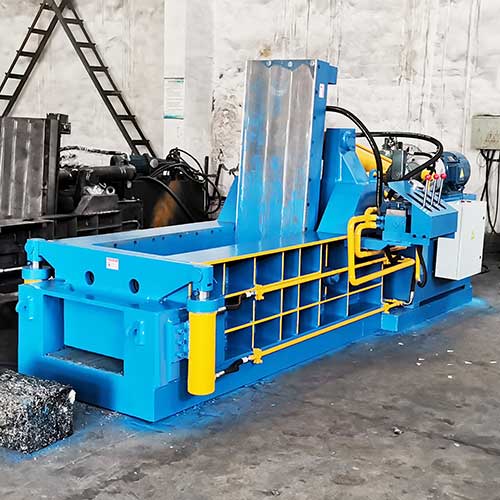
We adhere to strict international standards in metallurgy. Our manufacturing process includes multi-stage inspections to ensure every batch meets specifications for tensile strength, hardness, and chemical composition.

Structural steel and reinforcement bars are vital for skyscrapers, bridges, and large-scale civil engineering projects. We supply high-tensile metals that withstand extreme loads.
Lightweight alloys improve fuel efficiency in vehicles. Our metallurgical products support the production of engine components, chassis parts, and exhaust systems.
Metal components used in oil rigs, wind turbines, and nuclear plants require exceptional heat and pressure resistance. We provide specialized alloys for energy sector reliability.
Always request Mill Test Certificates (MTC). Ensure the supplier can prove the alloy composition matches your required grade (e.g., ASTM, ISO standards).
Verify if the manufacturer has in-house smelting and casting facilities. Integrated production ensures better quality control and faster turnaround times for bulk orders.
A reliable partner offers engineering advice. Look for suppliers who can help select the right material for your specific environmental or mechanical conditions.
Improper material selection for humid environments leads to rapid degradation. Solution: Specify stainless steel grades or apply protective galvanization as per industry standards.
Receiving batches with varying tolerances disrupts assembly lines. Solution: Enforce strict dimensional inspection protocols upon delivery and require pre-shipment verification.
Raw material shortages can stall production. Solution: Diversify your supplier base and maintain safety stock levels for critical alloy types.
Ferrous metals contain iron and are magnetic (e.g., steel, cast iron), offering high strength. Non-ferrous metals (e.g., aluminum, copper) do not contain iron and are valued for conductivity and corrosion resistance.
We use advanced refining techniques like vacuum arc remelting. Every batch undergoes spectrometric analysis to verify purity levels before leaving our facility.
Yes, our R&D team can develop specialized alloys tailored to specific thermal or mechanical requirements for unique industrial applications.

Privacy statement: Your privacy is very important to Us. Our company promises not to disclose your personal information to any external company with out your explicit permission.
Fill in more information so that we can get in touch with you faster
Privacy statement: Your privacy is very important to Us. Our company promises not to disclose your personal information to any external company with out your explicit permission.