


Send Message
Privacy statement: Your privacy is very important to Us. Our company promises not to disclose your personal information to any external company with out your explicit permission.

In the realm of specialized commerce, understanding the core definition of a product category is the first step toward informed purchasing. When sourcing koko, buyers must distinguish between raw materials and processed goods, or specific regional variants that define quality tiers.
The term koko often refers to distinct botanical or commercial classifications depending on the supply chain context. For a koko supplier, clarity in this definition ensures that procurement teams receive exactly what matches their end-product specifications. Whether it's a specific fruit variant, a textile fiber, or a regional commodity, precise terminology prevents costly mismatches in B2B transactions.
For global traders, identifying the exact nature of koko involves checking origin certifications and processing standards. This foundational knowledge supports the entire koko wholesale ecosystem, ensuring that importers and distributors operate with accurate inventory descriptions.
The applications for koko span across diverse industrial sectors, driven by its unique functional properties. As a versatile raw material, koko is frequently utilized in food processing, nutraceutical manufacturing, and traditional herbal formulations.
In the beverage industry, koko is valued for its distinct flavor profile and nutritional density. Manufacturers incorporate it into health drinks, powders, and concentrated extracts. The demand for high-grade koko in this sector requires strict adherence to food safety standards.
Beyond direct consumption, koko serves as a key ingredient in dietary supplements. Its bioactive compounds make it a sought-after component for wellness brands focusing on natural immunity and vitality support. Sourcing from verified koko manufacturers is critical here to ensure potency and purity.

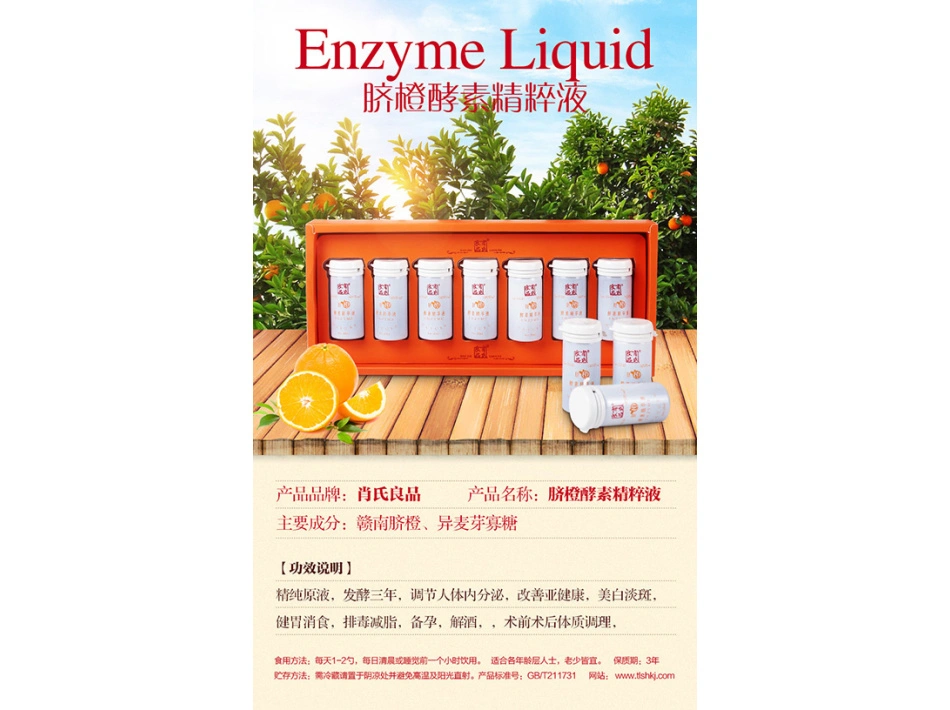
Manufacturing excellence is the backbone of reliable koko supply. From harvesting to packaging, every stage must be controlled to maintain the integrity of the product. Top-tier koko factories employ rigorous testing protocols to meet international export standards.
The journey begins with selecting premium raw materials. Reputable suppliers trace their koko back to specific growing regions known for optimal climate conditions. This ensures consistent size, color, and active compound levels.
Advanced drying and preservation techniques are employed to lock in freshness. Whether through solar drying, freeze-drying, or mechanical dehydration, the goal is to minimize nutrient loss while preventing microbial contamination. Compliance with HACCP and ISO standards is typical for leading koko exporters.
Selecting the right partner in the koko market requires more than just price comparison. Buyers must evaluate technical capabilities, consistency, and service reliability. Here is a strategic guide for navigating koko procurement.
Ensure your koko supplier holds relevant quality certifications such as ISO 22000, HACCP, or organic certificates if applicable. These documents validate their manufacturing hygiene and process control.
For large-scale orders, confirm the factory's monthly output capacity. A robust koko manufacturer should demonstrate the ability to scale production without compromising quality during peak seasons.
Never rely solely on catalogs. Request physical samples of koko to test moisture content, aroma, and visual appearance. This is the only way to verify if the product meets your specific application needs.
Responsive communication is key in international trade. A professional koko trading company should provide clear documentation, timely quotes, and transparent updates on order status.

Use this comprehensive checklist to streamline your decision-making process when engaging with koko wholesalers. This tool helps mitigate risk and ensures all technical and commercial bases are covered.
Sourcing koko internationally comes with specific challenges. Being aware of these common pitfalls allows buyers to implement preventive measures early in the negotiation phase.
One of the most frequent issues is receiving goods that do not match the agreed-upon grade. koko varies significantly in size and appearance. Always insist on pre-shipment inspections to verify quality against the sample.
Improper storage can lead to mold or spoilage during transit. Ensure your koko manufacturer uses adequate desiccants and sealed packaging, especially for sea freight shipments in humid climates.
Incorrect labeling can cause customs delays. Verify that all documentation, including origin certificates and ingredient lists, complies with the import regulations of your target market.
Agricultural products are subject to seasonal variations. Work with established koko exporters who have diversified sourcing networks to mitigate risks associated with poor harvests.
The market typically offers several grades of koko, distinguished by size, color, and processing method. Buyers should specify their requirements (e.g., whole, cut, powder) when requesting quotes from koko suppliers to ensure they receive the correct product form.
Authenticity can be verified through third-party laboratory testing for chemical composition and origin tracing. Reputable koko manufacturers will provide COA (Certificate of Analysis) documents upon request.
Stored in cool, dry conditions, koko generally has a shelf life of 12 to 24 months. Proper packaging is essential to maintain freshness and prevent degradation over time.
Yes, many koko wholesalers offer OEM packaging services. You can work with the supplier to design custom labels and packaging materials that align with your brand identity, subject to minimum order quantities.
When evaluating koko for procurement, understanding the technical specification schema is vital for comparing suppliers effectively. This framework helps standardize the evaluation of different vendors.
Privacy statement: Your privacy is very important to Us. Our company promises not to disclose your personal information to any external company with out your explicit permission.
Fill in more information so that we can get in touch with you faster
Privacy statement: Your privacy is very important to Us. Our company promises not to disclose your personal information to any external company with out your explicit permission.