

Send Message
Privacy statement: Your privacy is very important to Us. Our company promises not to disclose your personal information to any external company with out your explicit permission.







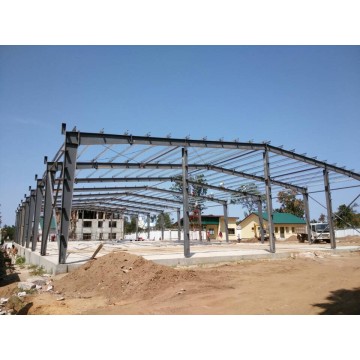



In the realm of professional gatherings and social engagements, "The Meeting" represents more than just a scheduled appointment. It signifies a structured convergence of ideas, stakeholders, and objectives designed to drive progress or celebrate milestones.
The primary function of a meeting is to facilitate communication. Whether it's a business strategy session or a community gathering, the goal is alignment and shared understanding among participants.
Effective meetings bring together diverse perspectives. From internal teams to external partners, the interaction fosters collaboration and ensures that all voices are heard in the decision-making process.
Selecting the appropriate format for your meeting is crucial for its success. The choice depends on factors like attendee location, meeting purpose, and required interactivity.
Best for high-stakes negotiations, team building, and events requiring physical presence. Offers the highest level of personal connection and non-verbal communication.
Ideal for geographically dispersed teams. Reduces travel costs and allows for flexible scheduling. Requires robust technology and clear digital agendas.
Combines the benefits of both worlds. Ensures inclusivity for remote participants while maintaining the energy of a live audience. Demands careful technical planning.
Whether organizing a corporate summit or a small workshop, quality assurance extends to the venue, technology, and service delivery. Reliable infrastructure ensures seamless execution.
Before finalizing any meeting arrangement, use this checklist to ensure all critical aspects are covered. This helps in avoiding last-minute issues and maximizing ROI.
Does the proposed plan fit within the allocated budget? Are there hidden costs for setup or teardown?
Is the venue size appropriate for the expected number of participants? Consider comfort and safety regulations.
Can the platform support necessary features like screen sharing, recording, and breakout rooms?
Is the agenda tailored to the audience's needs? Are speakers qualified and engaging?
Is there a plan to collect post-meeting feedback to improve future events?
Are there backup plans for technical failures or schedule changes?
Common queries regarding meeting organization, etiquette, and best practices.
Most experts recommend keeping meetings between 30 to 60 minutes. Longer meetings can lead to fatigue and decreased productivity. It's often better to have multiple shorter sessions than one marathon meeting.
Use world clock tools to find overlapping working hours. Rotate meeting times if possible to share the inconvenience fairly. Always record sessions for those who cannot attend live.
Encourage camera usage when comfortable, use interactive polls, break into smaller groups for discussions, and keep presentations concise with visual aids.
Identifying and solving frequent challenges ensures smoother operations and better outcomes.
Solution: Distribute a detailed agenda at least 24 hours in advance. Include specific topics, time allocations, and expected outcomes for each segment.
Solution: Conduct a tech check before the meeting. Have a backup dial-in number ready. Designate a moderator to handle technical issues so the presenter can focus on content.
Solution: The facilitator should actively invite quieter participants to share their views. Use round-robin speaking formats or written feedback channels to ensure balanced participation.
Implementing structured data helps search engines understand your event content better, potentially improving visibility in rich results.
Use the `Event` schema type to define details such as name, location, start/end dates, and performer/speaker information.
If you have a dedicated FAQ section for your events, mark it up using `FAQPage` schema to capture featured snippets in search results.
Ensure your hosting company or organizer is marked up with `Organization` schema to build entity authority and trust.
Privacy statement: Your privacy is very important to Us. Our company promises not to disclose your personal information to any external company with out your explicit permission.
Fill in more information so that we can get in touch with you faster
Privacy statement: Your privacy is very important to Us. Our company promises not to disclose your personal information to any external company with out your explicit permission.