

Send Message
Privacy statement: Your privacy is very important to Us. Our company promises not to disclose your personal information to any external company with out your explicit permission.


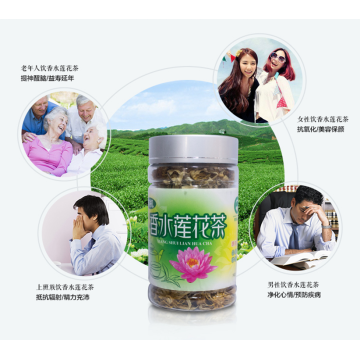
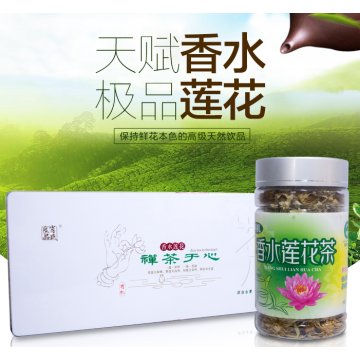


Perfume lotus tea represents a pinnacle of botanical infusion artistry, blending the delicate floral essence of premium lotus blossoms with high-grade tea leaves. This specialized category of scented teas is celebrated for its aromatic complexity and refined taste profile, offering consumers a sophisticated sensory experience that transcends traditional beverage consumption.
As a distinct segment within the broader tea industry, perfume lotus tea commands attention from connoisseurs seeking authentic flavor profiles without artificial additives. The production process requires meticulous selection of both tea bases and lotus flowers, ensuring that each cup delivers the characteristic fragrance that defines this premium product category.
Understanding what constitutes genuine perfume lotus tea is essential for buyers looking to source high-quality products. The market distinguishes itself through rigorous standards regarding flower freshness, tea leaf maturity, and the natural scenting techniques employed during processing.
The foundation of exceptional perfume lotus tea lies in sourcing. Manufacturers utilize only mature tea leaves harvested at peak potency, paired with hand-picked lotus flowers collected during optimal blooming periods to ensure maximum aromatic retention.
Advanced manufacturing facilities implement multi-stage quality checks. From initial raw material inspection to final packaging, every batch undergoes testing for moisture content, aromatic intensity, and purity levels to meet international export standards.
Manufacturing combines time-honored scenting methods with modern hygienic processing. The layering technique ensures deep aroma penetration while preserving the natural chemical composition of both tea and flower components.
High-end hotels and restaurants incorporate perfume lotus tea into their beverage menus to elevate the guest experience. Its elegant presentation and soothing aroma make it an ideal pairing for afternoon tea services and post-dinner relaxation.
The calming properties of lotus-infused tea align perfectly with wellness trends. Spa facilities utilize it as part of holistic treatment packages, promoting mental clarity and stress relief through mindful consumption rituals.
Packaged perfume lotus tea serves as a prestigious corporate gift option. Its cultural significance and premium positioning make it suitable for business exchanges, holiday presentations, and exclusive client appreciation events.
When evaluating perfume lotus tea, the primary indicator is scent authenticity. Premium varieties exhibit a natural, lingering floral fragrance that develops gradually upon steeping, rather than an immediate overpowering odor which may indicate artificial flavoring.
Inspect the physical blend. High-quality products typically show whole or large-cut tea leaves mixed with visible dried lotus petal pieces. Uniform, dust-like consistency often suggests lower grade materials or excessive fragmentation.
Geographic origin significantly impacts quality. Regions known for specific tea cultivars and lotus varieties produce superior blends. Buyers should verify sourcing claims to ensure they are purchasing authentic regional specialties.
Perfume lotus tea is specifically crafted using a traditional scenting process where tea leaves absorb the natural volatile oils from fresh lotus flowers. Unlike standard herbal infusions, it offers a complex layered flavor profile combining the astringency of tea with the subtle sweetness of lotus, creating a unique aromatic experience valued in premium tea markets.
Yes, perfume lotus tea is increasingly popular in commercial sectors including hospitality, retail, and gifting. Suppliers typically offer scalable packaging solutions ranging from bulk loose leaf to retail-ready boxed sets, ensuring product integrity is maintained throughout the supply chain for wholesale buyers.
To preserve the delicate lotus aroma, store the tea in an airtight, opaque container away from direct sunlight, heat, and moisture. Properly stored, high-quality perfume lotus tea can retain its characteristic scent and flavor profile for extended periods, making it ideal for inventory management.
Many manufacturers accommodate custom requests, allowing buyers to specify the ratio of tea leaves to lotus petals or adjust the intensity of the floral note. This flexibility supports brands looking to create signature products tailored to specific consumer preferences in the competitive tea market.
Bulk orders sometimes suffer from variable scent intensity due to uneven processing batches. This affects product uniformity and customer satisfaction upon resale.
Long-distance shipping, especially in non-climate-controlled containers, can cause the delicate lotus notes to fade or mutate, diminishing the product's premium appeal.
Some suppliers may use synthetic fragrances to mimic natural lotus scent, leading to harsh aftertastes and potential health concerns for end consumers.
Poorly sealed packaging allows humidity to enter, causing tea leaves to lose crispness and develop off-flavors, particularly in tropical export destinations.
Standardized specification sheets facilitate accurate procurement and ensure alignment between buyer requirements and supplier capabilities. Key technical parameters for perfume lotus tea include:
| Parameter | Specification Details |
|---|---|
| Tea Base Type | Green Tea, Oolong, or White Tea variants available depending on desired flavor profile |
| Lotus Content | Typically 10-30% dried lotus petal inclusion by weight for optimal aromatic balance |
| Moisture Limit | Maximum 6-7% moisture content to ensure shelf stability and prevent microbial growth |
| Aroma Intensity | Measured via sensory evaluation panels; must exhibit distinct natural lotus character without synthetic undertones |
| Particle Size | Whole leaf or large cut (OP/Fannings grades) depending on target market preference |
| Packaging Format | Available in bulk tins, vacuum bags, or retail boxes with varying net weights (50g - 5kg) |
Privacy statement: Your privacy is very important to Us. Our company promises not to disclose your personal information to any external company with out your explicit permission.
Fill in more information so that we can get in touch with you faster
Privacy statement: Your privacy is very important to Us. Our company promises not to disclose your personal information to any external company with out your explicit permission.