

Send Message
Privacy statement: Your privacy is very important to Us. Our company promises not to disclose your personal information to any external company with out your explicit permission.







A high-temp baking mat is a specialized silicone-based kitchen tool designed to withstand extreme oven temperatures while providing a non-stick surface for baking cookies, pastries, breads, and other delicate goods. Unlike traditional parchment paper or greased pans, these mats offer consistent heat distribution, preventing hot spots that can lead to uneven baking.
The primary material used in quality high-temp baking mats is food-grade silicone reinforced with fiberglass mesh. This combination ensures durability over hundreds of uses while maintaining flexibility at room temperature. The non-stick properties eliminate the need for butter, oil, or cooking sprays, making your baked goods healthier by reducing unnecessary fats.
High-quality high-temp baking mats typically feature a smooth surface ideal for rolling out dough, shaping cookies, and creating uniform batches. Many models include measurement guides printed directly on the surface, helping bakers achieve precise sizing without additional tools.
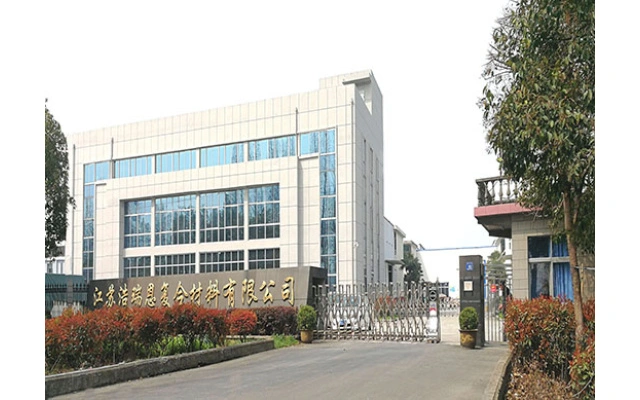
Understanding how high-temp baking mats are manufactured helps buyers evaluate product quality before procurement. Reputable manufacturers follow strict protocols from raw material sourcing through final inspection.
Premium high-temp baking mats begin with certified food-grade silicone and high-tensile fiberglass mesh. Raw materials undergo third-party testing to confirm compliance with FDA and EU food contact regulations. Buyers should request material safety data sheets (MSDS) and certification documentation from suppliers.
Each batch of high-temp baking mats undergoes thermal cycling tests to verify heat resistance across the full operating range, typically from -40°C to 250°C (-40°F to 482°F). Mats must show no warping, discoloration, or degradation after repeated exposure to peak temperatures.
Manufacturers perform adhesion tests using common baking ingredients such as sugar, butter, and dough compounds. A properly coated high-temp baking mat should release baked goods cleanly without residue buildup, ensuring consistent results across thousands of cycles.
Before shipment, every high-temp baking mat receives visual inspection for surface defects, edge sealing integrity, and dimensional accuracy. Products are rolled or folded carefully to prevent creasing, then packaged in protective sleeves to maintain cleanliness during transit.
High-temp baking mats serve diverse sectors beyond home kitchens. Their versatility makes them essential tools across commercial food production, educational environments, and specialty manufacturing processes.
Professional bakeries rely on high-temp baking mats for consistent cookie, pastry, and bread production. The even heat distribution reduces waste from burnt or undercooked products, while the reusable nature lowers long-term operational costs compared to disposable parchment paper.
Industrial food processors use high-temp baking mats in convection ovens and tunnel systems for producing snack items, crackers, and dehydrated foods. The mats withstand continuous thermal stress while maintaining hygienic, easy-to-clean surfaces that meet food safety audit requirements.
Culinary education programs incorporate high-temp baking mats into their curriculum, teaching students proper technique for rolling dough, portioning cookies, and achieving uniform browning. The durable construction withstands heavy student use throughout academic terms.
Artisan chocolate makers, candy producers, and confectionery businesses use high-temp baking mats as work surfaces for tempering chocolate, setting truffles, and preparing delicate sugar work. The non-porous silicone surface prevents contamination and allows precise temperature control during crafting.
At-home bakers increasingly prefer high-temp baking mats for their convenience and health benefits. The mats simplify cleanup, reduce the need for added fats, and enable professional-quality results in residential kitchens. Many models include measurement markings that assist with portion control and recipe consistency.
Selecting the appropriate high-temp baking mat requires evaluating several key factors that directly impact performance, longevity, and value. Buyers should consider the following criteria when sourcing products for their specific needs.
Verify the maximum temperature rating matches your intended use. Standard high-temp baking mats handle up to 250°C (482°F), suitable for most baking applications. For industrial or broiling purposes, select mats rated for higher temperatures, typically up to 300°C (572°F).
Premium high-temp baking mats use 100% food-grade silicone with embedded fiberglass reinforcement. Avoid products containing fillers or recycled silicone, which may degrade faster and leach unwanted substances. Look for LFGB, FDA, or equivalent food-safe certifications.
Choose dimensions that fit your oven racks and baking trays precisely. Common sizes range from half-sheet (approximately 41cm × 29cm) to full-sheet configurations. Custom sizes are available for specialized equipment. Ensure adequate clearance around edges for safe handling.
Smooth-surface high-temp baking mats excel for rolling dough and releasing delicate pastries. Grid-lined or textured mats provide grip for certain applications but may affect the finish of finished goods. Select based on your primary baking tasks.
High-quality high-temp baking mats endure hundreds of wash cycles without losing non-stick properties. Check manufacturer claims regarding expected lifespan and warranty coverage. Thicker mats generally offer greater resilience against cuts and abrasions.
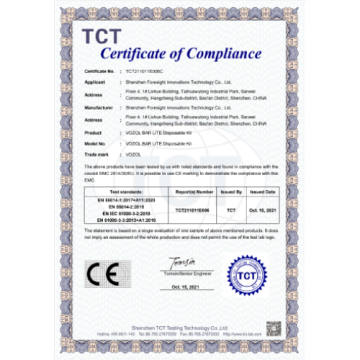
For commercial procurement, ensure all high-temp baking mats carry relevant food safety certifications including FDA compliance, EU Regulation 1935/2004, and LFGB where applicable. Documentation should be readily available from the supplier upon request.
Use this structured checklist when evaluating high-temp baking mat suppliers and products. Each item represents a critical decision point that influences quality, cost efficiency, and operational reliability.
| Checklist Item | Key Considerations |
|---|---|
| Food-Safe Certification | Confirm FDA, LFGB, or EU-compliant documentation is provided for all materials in contact with food. |
| Temperature Range | Verify minimum and maximum operating temperatures align with your baking processes and equipment specifications. |
| Surface Non-Stick Performance | Request sample units to test release properties with sticky ingredients like caramel, sugar glazes, and dough. |
| Durability Under Repeated Washing | Inquire about dishwasher compatibility and resistance to detergent chemicals over extended use periods. |
| Customization Options | Assess whether the supplier offers custom sizes, colors, branding, or printed measurement guides. |
| MOQ & Lead Time | Determine minimum order quantities and production timelines to align with your inventory planning and delivery schedules. |
| Sample Availability | Ensure the supplier provides evaluation samples before committing to bulk orders, allowing hands-on quality verification. |
| Warranty & Return Policy | Review terms covering defective products, premature wear, or failure to meet specified temperature ratings. |
Below are answers to common questions buyers and end users ask when considering high-temp baking mats for personal or commercial use.
Yes, most high-temp baking mats are designed to function across a wide temperature spectrum, typically from -40°C to 250°C. They remain flexible in freezing conditions and can be used for chilling dough, storing prepared unbaked goods, or organizing frozen items without becoming brittle or cracking.
Most premium high-temp baking mats are dishwasher safe on the top rack. However, prolonged exposure to harsh detergents and high drying temperatures may gradually affect the non-stick coating. Hand washing with warm soapy water and a soft sponge is recommended to maximize lifespan.
Low-quality high-temp baking mats often exhibit a strong chemical odor, feel overly stiff or excessively thin, and may leave residue on baked goods. They also tend to warp or curl at the edges after minimal use. Always request material specifications and test samples before placing large orders.
Some high-temp baking mats are designed to be trimmed with scissors to fit specific tray dimensions. However, cutting may expose the internal fiberglass layer, potentially compromising the mat's integrity. Check with the manufacturer before modifying any purchased product.
Absolutely. High-temp baking mats perform excellently in convection ovens where circulating air promotes even baking. The silicone material conducts heat efficiently, complementing the convection process for consistent results across all types of baked goods.
A well-maintained high-temp baking mat can last anywhere from one to three years depending on frequency of use, cleaning methods, and storage practices. Commercial operations using mats daily may see shorter lifespans compared to occasional home use.
Implementing structured data markup on pages featuring high-temp baking mats helps search engines understand product attributes, pricing, availability, and customer reviews. Proper schema implementation improves visibility in rich search results and enhances click-through rates from organic listings.
Use the Product schema type to describe individual high-temp baking mat SKUs. Include key properties such as name, description, image URL, brand, category, offers (price, currency, availability), aggregate rating, and review count. This enables Google and other search engines to display rich product snippets directly in search results.
Implement BreadcrumbList schema to clarify the site hierarchy for high-temp baking mat categories. This helps search engines understand the relationship between parent categories and subcategories, improving navigation signals and potentially displaying breadcrumb trails in search results.
Pages containing frequently asked questions about high-temp baking mats should implement FAQPage structured data. Each question-and-answer pair should be clearly marked within the markup. Search engines may surface these FAQs directly beneath the page listing, increasing visible real estate and user engagement.
If customer reviews are displayed for high-temp baking mat products, include AggregateRating schema to surface star ratings and total review counts in search results. This social proof element significantly influences buyer confidence and purchase decisions in competitive product categories.
Privacy statement: Your privacy is very important to Us. Our company promises not to disclose your personal information to any external company with out your explicit permission.
Fill in more information so that we can get in touch with you faster
Privacy statement: Your privacy is very important to Us. Our company promises not to disclose your personal information to any external company with out your explicit permission.